Articles tagged Ear Training
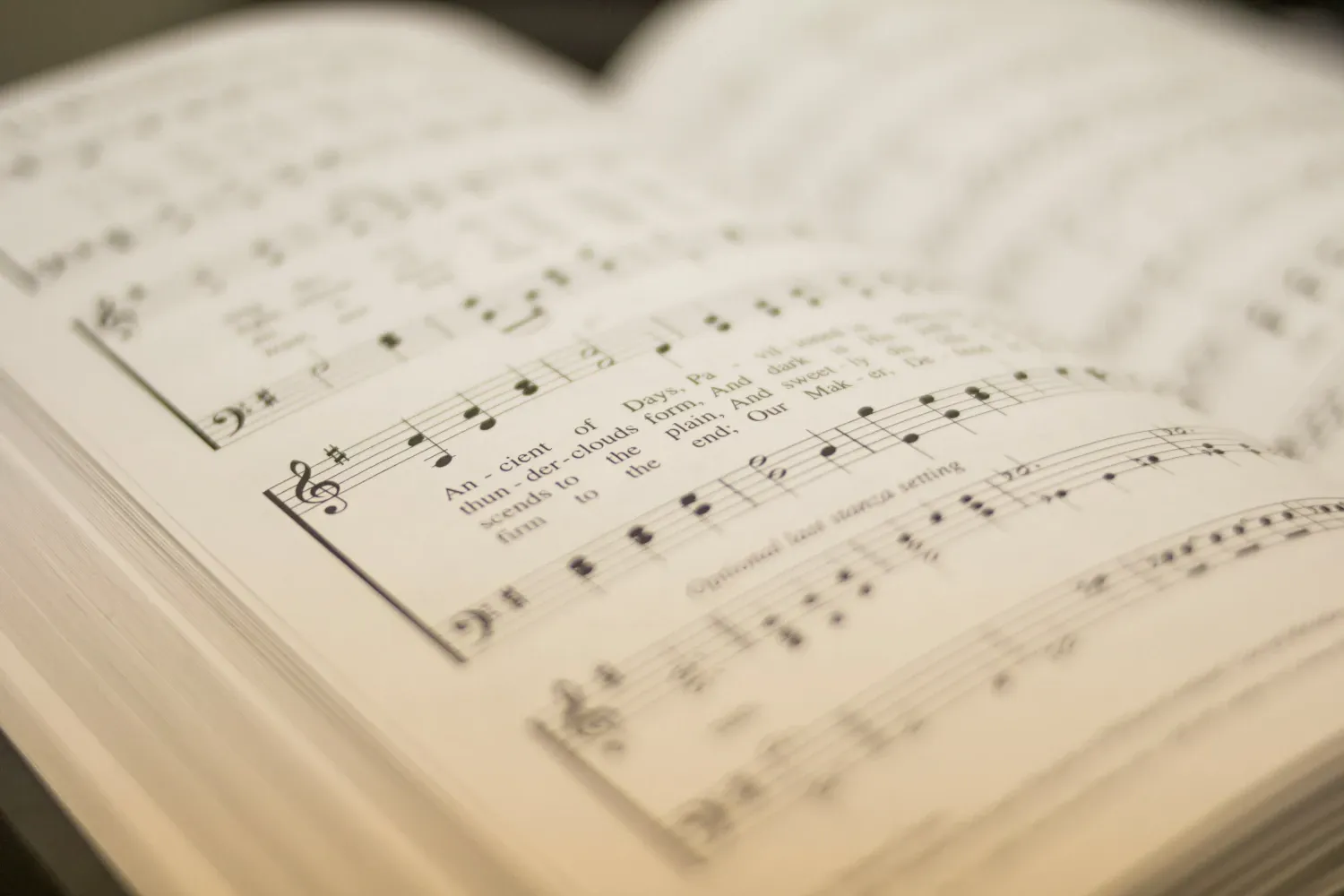
Ear training is the practical skill of connecting what you hear to what you can understand and sing. For many singers, the challenge is not "having a bad ear", but not having a clear map between sound, sensation, and musical language. When that map gets stronger, it becomes easier to sing in tune, to stay oriented in harmony, and to learn new material without relying on constant repetition. Articles with this tag explore ear training from a singer's perspective: how to recognize and reproduce intervals, scales, and chords, how to develop relative pitch, and how to strengthen the "inner ear" that lets you imagine sound before you make it. You'll also see ear training in context—choir work, sight singing, solfa/solfège, improvisation, and the everyday situations where musicianship matters (finding a starting note, matching vowels and timbre, adjusting intonation inside a chord). The goal is not to turn practice into a theory exam, but to make it usable: simple ways to listen, identify, and respond, and a clearer understanding of what to focus on when something feels off. Future posts may zoom in on specific topics like melodic patterns, harmonic function, rhythm and subdivision, or how ear training supports confident performance.