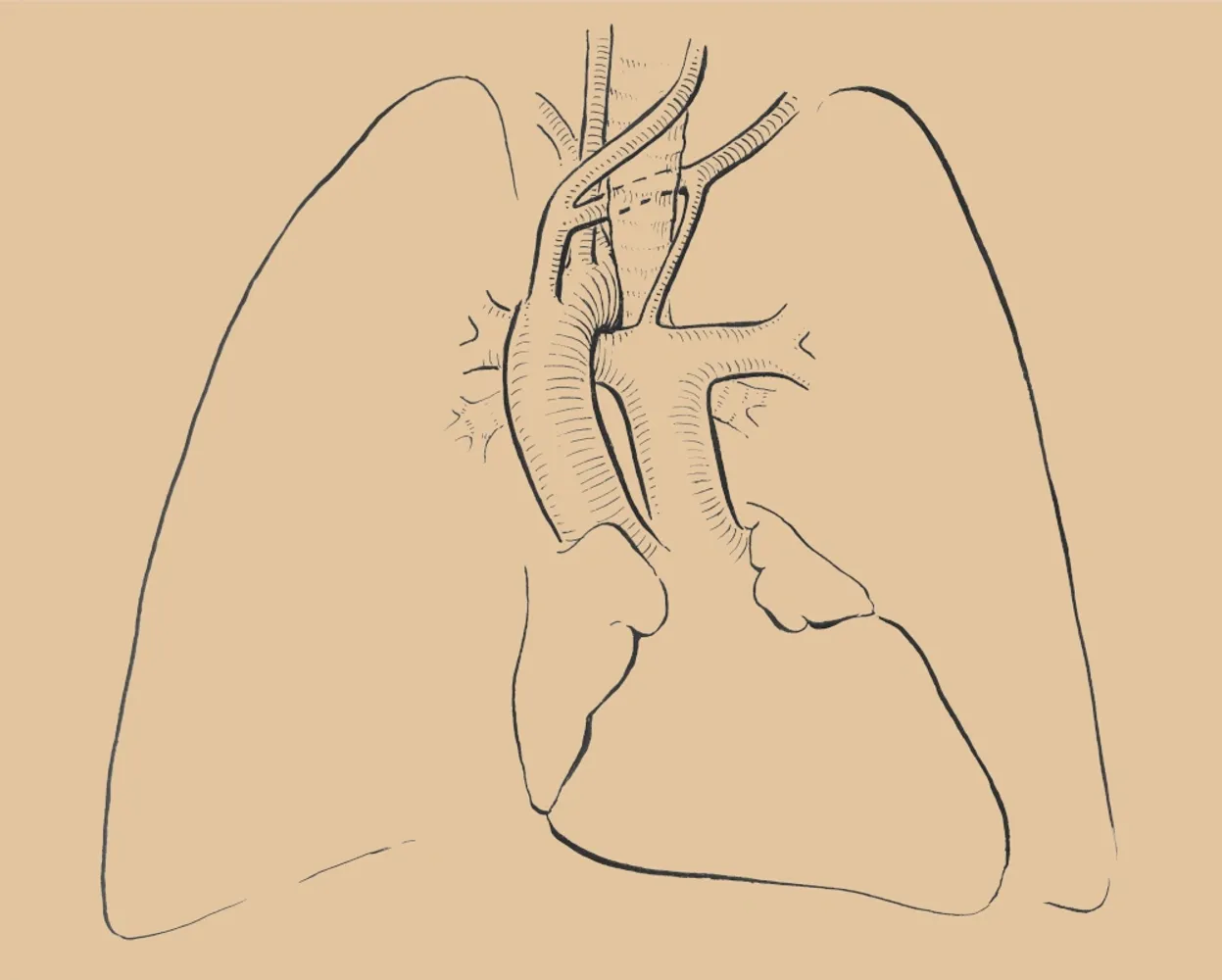
Breathing & Support
Breathing and support are the foundation of a strong, flexible, and resilient voice. Many singers struggle to understand what 'support' actually means and how breathing should work in practice.
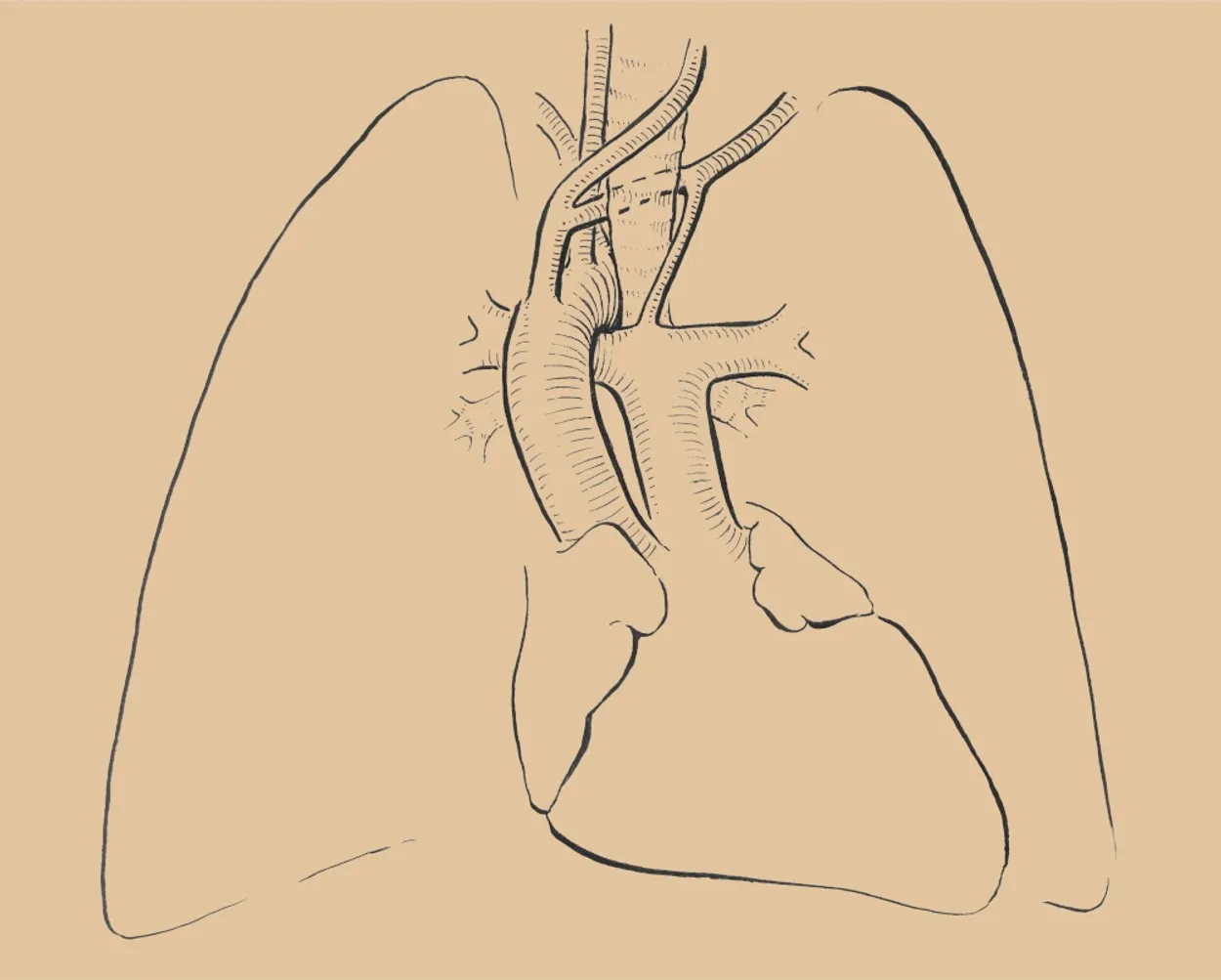

Short answer: breathing and support are the coordination of an easy inhale with a steady, responsive exhale. They help a singer sustain sound without gripping the throat or forcing the abdominal muscles.
What does support mean?
The word support can sound static - but in reality it is a dynamic process. When we sing on an exhale, the voice needs a steady airflow, which requires continuous activity in the support muscles.
In Italian, support is called appoggio, derived from appoggiare, “to lean (into something).” This indicates that support is movement - not a fixed, rigid tension.
Rest, activity, and singing
We can distinguish between three types of breathing:
- Resting breath: in - out - pause (unconscious)
- Activity breath: quick in - quick out (sports)
- Singer’s breath: quick in, slow out (has to be taught)
The goal for singers is a quick, effortless inhale and a calm, controlled exhale.
”SPLAT” - an effective inhale
The most helpful type of breath for singers is a recoil breath - also called a SPLAT (“Singers Please Loosen Abdominal Tension”).
When you release the abdominal tension after a phrase and let the belly ‘splat’ outward, a slight vacuum forms and the air is drawn into the lungs automatically.
The benefit is a relaxed inhale that reduces compensatory throat tension, which otherwise hinders good resonance.
The exhale - the voice’s power
On the exhale, the abdominal muscles primarily drive the air from the lungs through the trachea to the vocal folds.
For singers, it’s important that this airflow is steady and controlled so the vocal folds can vibrate stably. The abdomen acts as the voice’s power source by creating the airflow that makes the voice work.
Exercises for breathing and support
- Lip trill - builds balance between abdominal muscles and the diaphragm.
- SOVT sounds (e.g., ZZZ, NG, iii) - create natural back pressure that stabilizes the vocal folds.
- SPLAT - trains abdominal release for an efficient inhale.
Why this matters
A singer who masters breathing and support gains a voice that is:
- Strong - full resonance without pushing.
- Flexible - able to move freely between functions.
- Enduring - usable for longer without getting hoarse.
Conclusion
Working with breathing and support is not just a technical discipline - it’s a key to unlocking the voice’s full potential.
With exercises like SPLAT, lip trills, and SOVT sounds, you can build a solid foundation for your singing.
If you want to develop your voice, start with the breath - that’s where great singing begins!
How this is used in a singing lesson
In a lesson, we listen for where airflow becomes tense or unstable, then use short exercises such as lip trills and SOVT sounds in the range and style you actually sing. The aim is a sensation you can reproduce in songs, not a rigid breathing rule. You can try this in a free trial lesson in Brønshøj, Copenhagen, or see singing lesson prices.
FAQs
Should my stomach move when I sing?
It will move, but it should not be pushed out or pulled in rigidly. Efficient support stays responsive to the phrase.
Can breathing exercises fix throat tension?
They can reduce one common cause of tension, but technique, posture and the notes you sing also matter. Individual feedback is often useful.
Related Posts