Sight Singing & Solfa
Sight singing is the ability to sing music directly from notes. Solfa is a tool that makes it easier.
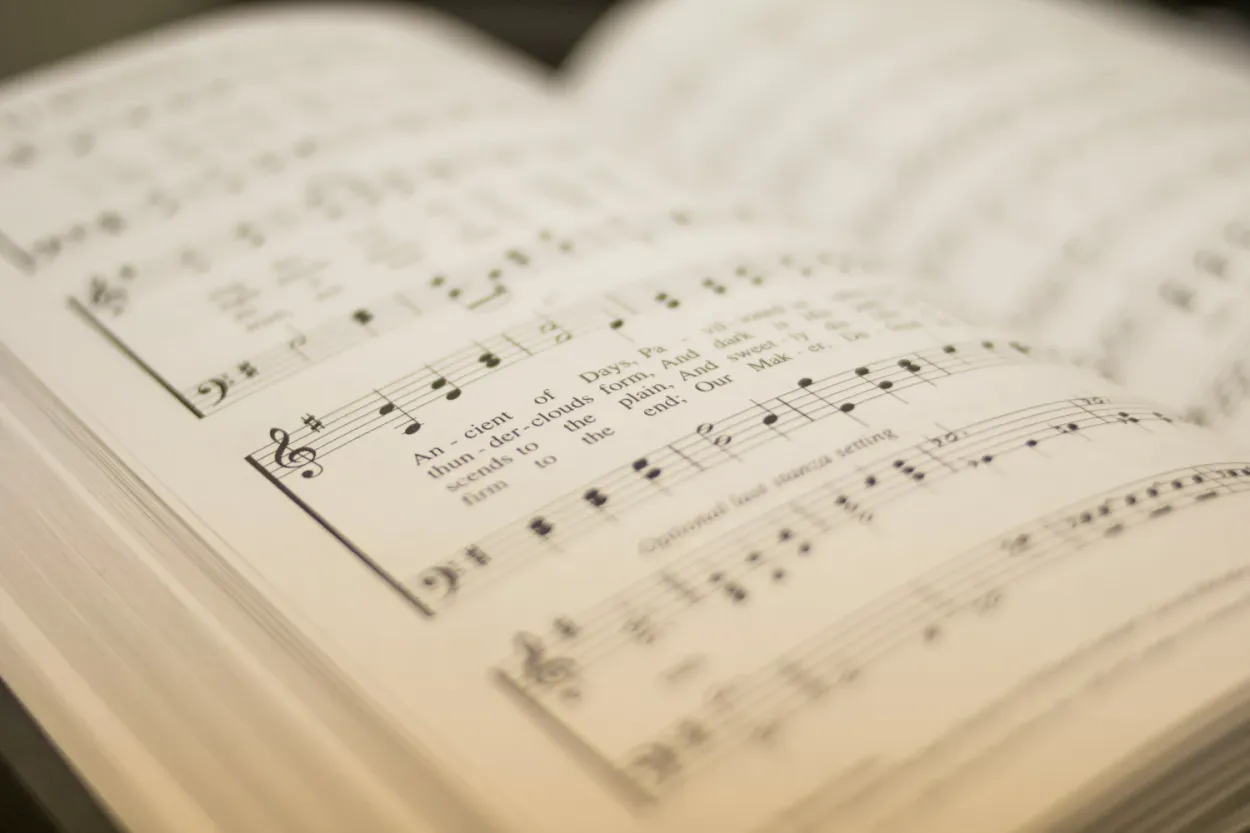
Short answer: sight singing means reading and singing unfamiliar music from notation; solfa gives scale notes names such as do, re and mi so you can hear their relationships before you sing them.
Sight Singing
Sight singing is singing notes you haven’t heard before. It trains your ability to anticipate and perform melodic and rhythmic patterns.
Good sight singing requires:
- Stable intonation
- Rhythmic awareness
- A sense of tonality
What is Solfa?
Solfa, solfège or solmization - it goes by many names, but here we use solfa.
Solfa is a system where each scale degree is assigned a fixed name (do, re, mi…) and a corresponding hand sign. It creates a clear understanding of the relationship between notes and thus strengthens a singer’s relative pitch. At the same time, “the inner ear” is trained - the ability to imagine sound without hearing it out loud.
Solfa makes it easier to understand the structure of melodies. Instead of learning each note in isolation, solfa helps to hear different intervals within the scale.
Benefits of Solfa
Solfa helps singers to:
- Improve intonation
- Understand melodic patterns
- Read sheet music faster
Sight singing and solfa make you a more flexible and independent singer - especially in choirs and ensembles.
How this is used in a singing lesson
We start with short patterns that match your current level, combine hand signs or solfa syllables with listening, and gradually apply the skill to real sheet music. It can support choir work, auditions and independent practice. Explore a free trial lesson, prices, or Emil’s teaching.
FAQs
Do I need to read music before learning sight singing?
No. You can build rhythm, pitch and notation skills together from a beginner level.
Is solfa only for classical singers?
No. It is useful in choirs, pop, jazz and any setting where you want a stronger sense of pitch and melody.
Related Posts